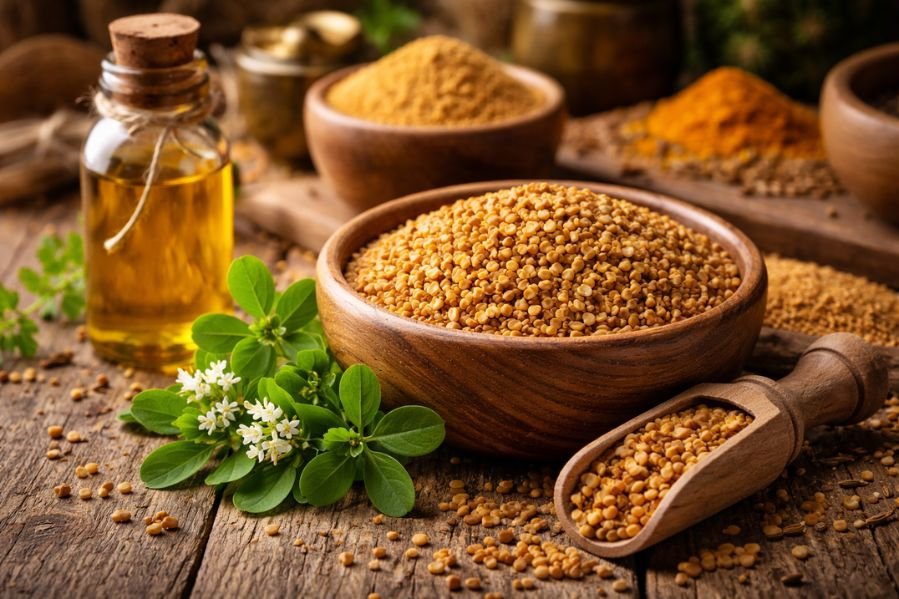

Introduction to Foenegriek
Foenegriek, commonly known in English as fenugreek, is a plant that has been valued for centuries across different cultures for its culinary, medicinal, and nutritional benefits. Native to parts of South Asia, the Mediterranean, and North Africa, this herb has quietly earned a reputation as one of the most versatile natural ingredients in traditional and modern lifestyles. Despite its humble appearance, foenegriek carries a powerful combination of flavor, aroma, and health-promoting properties.
At first glance, foenegriek might seem like just another herb or spice sitting on a shelf, but its uses go far beyond seasoning food. From ancient herbal remedies to modern dietary supplements, it has played a key role in supporting overall well-being. The seeds and leaves are both used, each offering distinct advantages and applications.
Understanding foenegriek requires a deeper look into its history, composition, and evolving role in today’s world. Whether you’re interested in natural health, cooking, or holistic living, this guide will walk you through everything you need to know about this remarkable plant.
The Origins and History of Foenegriek
Foenegriek has a long and fascinating history that dates back thousands of years. Ancient civilizations such as the Egyptians, Greeks, and Romans recognized its value early on. It was used not only as a food ingredient but also as a medicinal herb and even in religious rituals. Historical records suggest that foenegriek seeds were found in Egyptian tombs, highlighting their importance in daily life and spiritual practices.
In traditional Indian and Middle Eastern cultures, foenegriek became a staple ingredient in cooking as well as in Ayurvedic and herbal medicine systems. It was commonly used to treat digestive issues, improve strength, and support lactation in nursing mothers. Over time, its reputation spread across continents, making it a global herb with diverse applications.
Today, foenegriek continues to bridge ancient wisdom with modern science. Researchers and health enthusiasts alike are rediscovering its benefits, leading to its inclusion in supplements, skincare products, and functional foods. Its historical significance adds depth to its current popularity, making it more than just a trend.
Nutritional Profile of Foenegriek
One of the main reasons foenegriek stands out is its impressive nutritional composition. The seeds are packed with essential nutrients that support overall health. They contain protein, fiber, iron, magnesium, and vitamins such as B6. This nutrient density makes foenegriek a valuable addition to a balanced diet.
The high fiber content in foenegriek is particularly noteworthy. It helps support digestive health, regulate blood sugar levels, and promote a feeling of fullness. This makes it especially beneficial for people looking to manage weight or maintain steady energy levels throughout the day.
Additionally, foenegriek contains unique plant compounds such as saponins and flavonoids. These compounds are believed to contribute to its anti-inflammatory and antioxidant properties. As a result, incorporating foenegriek into your diet may help protect the body from oxidative stress and support long-term health.
Health Benefits of Foenegriek
Foenegriek is widely recognized for its numerous health benefits, many of which are supported by both traditional use and modern research. One of its most well-known benefits is its ability to help regulate blood sugar levels. This makes it particularly useful for individuals managing diabetes or those at risk of developing it.
Another significant benefit is its role in improving digestion. Foenegriek has been traditionally used to relieve issues such as constipation, indigestion, and bloating. Its natural compounds help stimulate digestive enzymes and improve gut health, making it a gentle yet effective remedy.
Foenegriek is also known for supporting hormonal balance, especially in women. It is often used to promote milk production in breastfeeding mothers and may help alleviate symptoms of menstrual discomfort. These benefits highlight its versatility as a natural health solution that caters to different needs.
Culinary Uses of Foenegriek
In the culinary world, foenegriek is a prized ingredient known for its distinct flavor and aroma. The seeds have a slightly bitter, nutty taste, while the leaves offer a more subtle, earthy flavor. Both forms are used in a variety of dishes across different cuisines.
In South Asian cooking, foenegriek seeds are often used in spice blends, curries, and pickles. The leaves, either fresh or dried, are commonly added to breads, stews, and vegetable dishes. Their unique flavor enhances the overall taste and adds depth to recipes.
Beyond traditional dishes, foenegriek is increasingly being used in modern cooking. Chefs and home cooks alike are experimenting with it in soups, sauces, and even health drinks. Its ability to blend well with other ingredients makes it a versatile addition to both classic and contemporary recipes.
Foenegriek in Traditional Medicine
For centuries, foenegriek has been a cornerstone of traditional medicine systems. In Ayurveda, it is considered a warming herb that helps balance the body’s internal systems. It is often used to improve metabolism, boost energy, and support overall vitality.
In herbal medicine, foenegriek is valued for its anti-inflammatory and antimicrobial properties. It has been used to treat skin conditions, respiratory issues, and minor wounds. Its natural healing properties make it a popular choice for those seeking alternative remedies.
Modern herbalists continue to recommend foenegriek for various health concerns. While it should not replace professional medical advice, its long history of safe use and effectiveness makes it a trusted option for natural health enthusiasts.
How to Use Foenegriek in Daily Life
Incorporating foenegriek into your daily routine is easier than you might think. The seeds can be soaked overnight and consumed in the morning, a practice commonly followed for digestive and metabolic benefits. They can also be ground into a powder and added to smoothies, teas, or meals.
Foenegriek leaves can be used fresh in cooking or dried for longer storage. They add flavor and nutritional value to dishes without requiring complex preparation. This makes them a convenient option for busy lifestyles.
For those who prefer a more concentrated form, foenegriek is also available as capsules or extracts. These supplements provide a convenient way to enjoy its benefits, especially for individuals with specific health goals. However, it is always advisable to consult a healthcare professional before starting any supplement.
Potential Side Effects and Precautions
While foenegriek is generally safe for most people, it is important to use it responsibly. Consuming it in excessive amounts may lead to mild side effects such as digestive discomfort or a strong body odor due to its natural compounds.
Pregnant women should exercise caution when using foenegriek, as it may stimulate uterine contractions. Similarly, individuals with certain medical conditions or those taking medications should consult a healthcare provider before incorporating it into their routine.
Understanding these precautions ensures that you can enjoy the benefits of foenegriek without unnecessary risks. Like any natural remedy, moderation and awareness are key to safe usage.
Modern Research and Growing Popularity
In recent years, foenegriek has gained attention in scientific research and the wellness industry. Studies are exploring its potential benefits in areas such as blood sugar control, cholesterol management, and hormonal health. These findings are helping to validate its traditional uses and expand its applications.
The rise of natural and holistic health trends has also contributed to its growing popularity. Consumers are increasingly seeking plant-based solutions, and foenegriek fits perfectly into this movement. Its versatility and effectiveness make it a valuable addition to modern wellness practices.
As more research emerges, the understanding of foenegriek continues to evolve. This ongoing interest ensures that it remains relevant and widely appreciated in both traditional and contemporary contexts
Conclusion
Foenegriek is much more than just a herb or spice—it is a powerful natural resource with a rich history and a wide range of benefits. From its origins in ancient civilizations to its role in modern health and cuisine, it has proven its value time and again.
Its impressive nutritional profile, combined with its medicinal and culinary uses, makes it a truly versatile ingredient. Whether you are looking to تحسين your health, enhance your cooking, or explore natural remedies, foenegriek offers something for everyone.
By understanding its properties and using it wisely, you can unlock the full potential of this remarkable plant and make it a meaningful part of your daily life