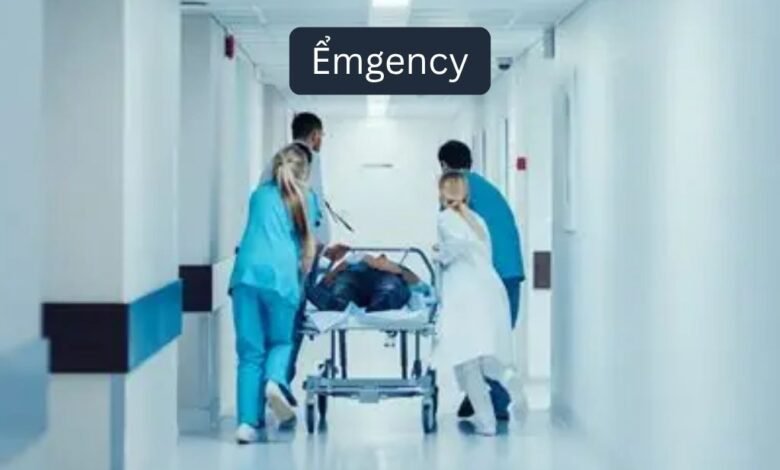


What Is an Emergency and Why It Matters
An emergency is any unexpected situation that poses an immediate risk to health, life, property, or the environment. These situations demand urgent attention and quick decision-making to prevent the situation from worsening. Emergencies can range from personal medical crises to large-scale natural disasters, and they often occur without warning. What makes an emergency particularly challenging is the limited time available to respond effectively.
In everyday life, many people underestimate the likelihood of encountering an emergency. There is a common tendency to assume that serious incidents happen to others, not to oneself. However, statistics and real-life experiences suggest otherwise. Emergencies can happen to anyone, anywhere, and at any time. Whether it’s a sudden illness, a fire, or a road accident, being unprepared can significantly increase the risks involved.
Understanding the nature of emergencies is the first step toward handling them effectively. When people are informed and aware, they are more likely to remain calm under pressure. This calmness can make a critical difference, as panic often leads to poor decisions. Recognizing the seriousness of emergencies encourages individuals to take preventive measures and develop a proactive mindset.
Types of Emergencies You Should Know Abo
Emergencies come in many forms, and each type requires a different approach. One of the most common categories is medical emergencies. These include heart attacks, strokes, severe allergic reactions, and injuries. In such cases, immediate medical attention is crucial. Knowing basic first aid can often mean the difference between life and death while waiting for professional help.
Another major category is natural disasters. These include earthquakes, floods, hurricanes, and wildfires. Natural disasters often affect large populations and can cause widespread destruction. Unlike some emergencies, these events may sometimes be predicted, allowing for early preparation and evacuation. However, their scale and intensity can still overwhelm even well-prepared communities.
Man-made emergencies also play a significant role. These include accidents, fires, industrial hazards, and even acts of violence. Such emergencies often occur due to human error, negligence, or intentional actions. Being aware of potential risks in your environment—such as faulty wiring or unsafe working conditions—can help prevent these incidents. Understanding different types of emergencies allows individuals to tailor their preparation and response strategies accordingly.
The Importance of Emergency Preparedness
Emergency preparedness is all about being ready before something goes wrong. It involves planning, gathering resources, and developing the skills needed to respond effectively. Many people only think about preparedness after experiencing an emergency, but proactive preparation is far more effective and less stressful.
One key aspect of preparedness is having an emergency plan. This plan should outline what to do in various scenarios, such as where to go, who to contact, and how to communicate with family members. For example, families can establish meeting points and emergency contacts to ensure everyone stays connected during a crisis. Having a clear plan reduces confusion and saves valuable time.
Another crucial element is assembling an emergency kit. This kit should include essentials such as water, non-perishable food, a flashlight, batteries, a first aid kit, and important documents. In many emergencies, access to basic resources may be limited, so having these supplies readily available is vital. Preparedness not only increases safety but also provides peace of mind, knowing that you are ready to handle unexpected situations.
Essential Skills for Handling Emergencies
When an emergency strikes, having the right skills can make a significant difference. One of the most important skills is basic first aid. Knowing how to perform CPR, stop bleeding, or treat burns can save lives. These skills are especially valuable in the critical moments before professional help arrives.
Another essential skill is effective communication. During emergencies, it is important to convey information clearly and quickly. This includes calling emergency services, informing others about the situation, and following instructions from authorities. Miscommunication can lead to delays and confusion, which can worsen the situation.
Problem-solving and adaptability are also key skills. Emergencies are often unpredictable, and plans may not always work as expected. Being able to think quickly and adjust to changing circumstances is crucial. For instance, if a planned evacuation route is blocked, having the ability to find an alternative route can ensure safety. Developing these skills requires practice and awareness, but they are invaluable during critical moments.
How to Stay Calm During an Emergency
Staying calm during an emergency is easier said than done, but it is one of the most important factors in handling the situation effectively. Panic can cloud judgment, making it difficult to think clearly and take appropriate action. Training your mind to remain composed can significantly improve your response.
One effective way to stay calm is through controlled breathing. Taking slow, deep breaths can help regulate your heart rate and reduce anxiety. This simple technique allows you to focus and think more clearly. Practicing mindfulness and stress management in everyday life can also prepare you for high-pressure situations.
Another helpful approach is to focus on what you can control. Instead of worrying about the entire situation, concentrate on immediate actions, such as calling for help or assisting others. Breaking the situation into smaller steps makes it more manageable. Confidence in your preparation and skills also plays a major role in maintaining composure.
The Role of Technology in Emergency Response
Technology has transformed the way emergencies are managed and responded to. Today, smartphones, apps, and communication systems play a crucial role in providing real-time information and assistance. For example, emergency alert systems can notify people about impending disasters, giving them time to prepare and evacuate.
Navigation and location-sharing technologies are also incredibly useful. During emergencies, these tools can help individuals find safe routes, locate shelters, and share their whereabouts with loved ones. This reduces uncertainty and improves coordination among affected individuals.
Additionally, advancements in medical technology have improved emergency care. Portable devices, telemedicine, and advanced diagnostic tools enable faster and more accurate treatment. While technology is not a substitute for preparedness, it significantly enhances the ability to respond effectively and efficiently.
Common Mistakes People Make During Emergencies
Despite good intentions, people often make mistakes during emergencies that can worsen the situation. One common mistake is underestimating the severity of the situation. Delaying action or ignoring warning signs can lead to serious consequences. It is always better to err on the side of caution.
Another frequent mistake is lack of preparation. Many individuals do not have an emergency plan or kit, leaving them vulnerable when a crisis occurs. This lack of readiness can lead to panic and poor decision-making. Preparing in advance is a simple yet effective way to avoid this issue.
Overreliance on others is another problem. While help from authorities and emergency services is essential, individuals must also take responsibility for their own safety. Waiting passively for assistance can waste valuable time. Being proactive and self-reliant increases the chances of a positive outcome.
Building a Culture of Emergency Awareness
Creating a culture of emergency awareness involves educating individuals and communities about the importance of preparedness. Schools, workplaces, and organizations can play a significant role in promoting safety practices and conducting drills. These activities help people understand how to respond effectively in real-life situations.
Community involvement is equally important. Neighbors and local groups can support each other during emergencies, especially in large-scale disasters. Strong community networks enhance resilience and ensure that help reaches those in need more quickly.
Awareness campaigns and training programs can further reinforce this culture. When people are informed and engaged, they are more likely to take preparedness seriously. Building a culture of awareness not only improves individual safety but also strengthens the overall resilience of society.
Conclusion: Being Ready Makes All the Differenc
Emergencies are an inevitable part of life, but their impact can be significantly reduced through preparation and awareness. Understanding what constitutes an emergency, recognizing different types, and developing essential skills are crucial steps toward effective response.
Preparedness is not just about having supplies; it is about having the right mindset and knowledge. Staying calm, thinking clearly, and taking decisive action can make a life-saving difference. Technology and community support further enhance the ability to handle emergencies efficiently.
Ultimately, being prepared is an investment in safety and peace of mind. While no one can predict when an emergency will occur, everyone has the power to be ready. Taking proactive steps today ensures a safer and more confident tomorrow.