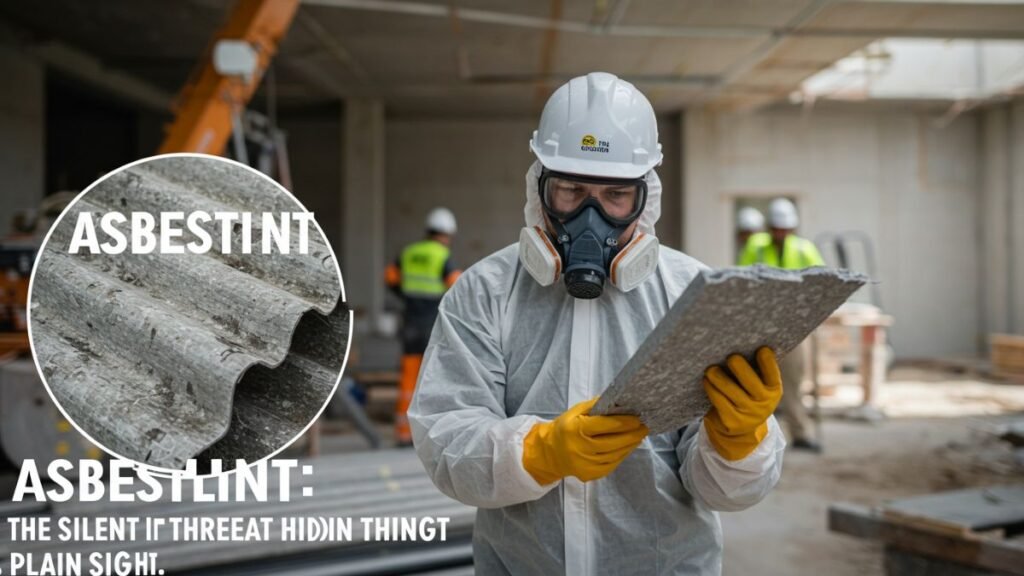

If you’ve come across the term asbestlint, you’re not alone in wondering what it actually means. It’s not a widely recognized technical term, which makes it a bit confusing at first glance. In most contexts, “asbestlint” appears to be a variation or misspelling related to asbestos lint or fibers—tiny, dust-like particles that come from asbestos-containing materials. These microscopic fibers can become airborne and pose serious health risks when inhaled over time.
Understanding asbestlint is important because it sits at the intersection of environmental safety, occupational health, and building maintenance. Whether you’re a homeowner, contractor, or simply someone interested in health and safety, knowing how these fibers behave and where they come from can help you make better decisions.
This article will walk you through everything you need to know—from what asbestlint likely refers to, to its risks, detection, and safe handling practices. The goal is to keep things conversational but grounded in expert-level insight, so you leave with practical and reliable knowledge
What Is Asbestlint?
At its core, asbestlint can be understood as fine, lint-like asbestos fibers that detach from materials containing asbestos. These fibers are incredibly small—often invisible to the naked eye—and can remain suspended in the air for long periods. Unlike ordinary dust or lint from fabric, asbestos fibers are hazardous due to their composition and durability.
Asbestos itself is a naturally occurring mineral once widely used in construction and manufacturing because of its heat resistance and strength. When materials containing asbestos begin to degrade, they release fibers that resemble lint or dust. This is where the term “asbestlint” likely originates—a blend of asbestos and lint, describing its texture and form.
What makes asbestlint particularly dangerous is not just its size but its resilience. These fibers don’t break down easily in the environment or inside the human body. Once inhaled, they can lodge deep in lung tissue and remain there for decades, potentially leading to severe health conditions.
Sources of Asbestlint in Everyday Environments
Asbestlint doesn’t just appear out of nowhere—it originates from specific materials and environments where asbestos was historically used. Older buildings are the most common sources, especially those constructed before the 1980s when asbestos regulations became stricter in many parts of the world.
Common sources include insulation materials, ceiling tiles, floor tiles, roofing shingles, and even certain types of cement products. Over time, wear and tear, renovations, or damage can cause these materials to release fibers. When disturbed, they can produce a fine, lint-like residue that spreads easily through air currents.
Health Risks Associated with Asbestlint
The health risks tied to asbestlint are serious and well-documented. Inhaling asbestos fibers can lead to a range of diseases, many of which take years or even decades to develop. This delayed onset often makes early detection difficult, adding to the danger.
One of the most well-known conditions linked to asbestos exposure is asbestosis, a chronic lung disease caused by the accumulation of fibers in lung tissue. It leads to scarring, reduced lung function, and persistent breathing difficulties. Another major concern is mesothelioma, a rare but aggressive cancer affecting the lining of the lungs or abdomen.
Even lower levels of exposure over time can increase the risk of lung cancer. This is why asbestlint is not something to take lightly. Unlike many environmental hazards, there is no safe level of asbestos exposure, making prevention and proper handling absolutely critical.
How Asbestlint Spreads and Persists
One of the most challenging aspects of asbestlint is how easily it spreads. Because the fibers are so light, they can travel through air ducts, cling to clothing, and settle on surfaces throughout a building. A small disturbance—like drilling into a wall or removing old insulation—can release a cloud of fibers that disperses widely.
Once airborne, these fibers can remain suspended for hours, increasing the likelihood of inhalation. They can also settle into carpets, furniture, and other porous materials, creating a long-term contamination issue. Even cleaning can be tricky, as improper methods may simply redistribute the fibers instead of removing them.
Another key factor is persistence. Asbestos fibers do not degrade like organic materials. This means that once they are present in an environment, they can remain a hazard indefinitely unless properly removed. This durability is what made asbestos useful in construction—but it’s also what makes asbestlint so dangerou
Detecting Asbestlint: What You Need to K
Detecting asbestlint is not as simple as spotting dust on a surface. Because the fibers are microscopic, they require specialized testing to identify. Visual inspection alone is not reliable, even for trained professionals.
The most common method of detection involves air sampling and laboratory analysis. Samples are collected and examined under powerful microscopes to determine whether asbestos fibers are present. This process is typically carried out by certified professionals who follow strict safety protocols.
If you suspect the presence of asbestlint in your home or workplace, the best course of action is to avoid disturbing the area and contact an expert. Attempting to test or remove materials yourself can increase exposure risk. Professional assessment ensures accurate results and minimizes danger
Safe Handling and Removal of Asbestlint
Handling asbestlint requires a high level of caution and expertise. Unlike regular dust or debris, it cannot be safely managed with standard cleaning methods. In fact, actions like sweeping or vacuuming with a regular vacuum can make the problem worse by dispersing fibers into the air.
Professional asbestos abatement teams use specialized equipment, including HEPA filters, protective suits, and containment systems. These measures prevent fibers from escaping into other areas and protect workers from exposure. The process often involves sealing off the contaminated area and carefully removing or encapsulating the affected materials.
It’s important to understand that removal is not always the only option. In some cases, asbestos-containing materials can be safely contained or sealed, preventing fiber release. The appropriate approach depends on the condition of the material and the level of risk involve
Preventing Exposure to Asbestlint
Prevention is the most effective way to deal with asbestlint. If you live in or work with older buildings, awareness is your first line of defense. Knowing where asbestos might be present allows you to avoid unnecessary disturbances that could release fibers.
Regular inspections and maintenance can also help. Keeping materials in good condition reduces the likelihood of fiber release. If renovations are planned, it’s essential to have the area assessed beforehand to identify any potential asbestos risks.
Personal precautions are equally important. Avoid drilling, cutting, or sanding materials that may contain asbestos unless proper safety measures are in place. When in doubt, always consult professionals rather than taking risks with your health.
Legal and Regulatory Consideration
Because of its health risks, asbestos is heavily regulated in many countries. Laws govern how it can be handled, removed, and disposed of. These regulations are designed to protect both workers and the general public from exposure.
Property owners and employers have specific responsibilities when it comes to asbestos management. This includes identifying potential hazards, informing occupants or employees, and ensuring that any work involving asbestos is carried out by licensed professionals.
Failure to comply with these regulations can result in serious consequences, including fines and legal liability. More importantly, it can put lives at risk. Understanding and following the rules is not just a legal obligation—it’s a critical part of maintaining a safe environment.asbestlint
Conclusion: Why Understanding Asbestlint Matters
While the term asbestlint may not be widely recognized, the concept behind it is extremely important. It represents a real and potentially dangerous phenomenon—the release of asbestos fibers into the environment in a form that can easily be inhaled.
From its origins in aging building materials to its serious health implications, asbestlint is something that demands attention and respect. The risks are not immediate or obvious, which makes awareness and prevention even more crucial.
By understanding what asbestlint is, how it spreads, and how to handle it safely, you can protect yourself and others from long-term harm. Whether you’re dealing with an older property or simply expanding your knowledge, staying informed is always the best approach when it comes to environmental health hazards.