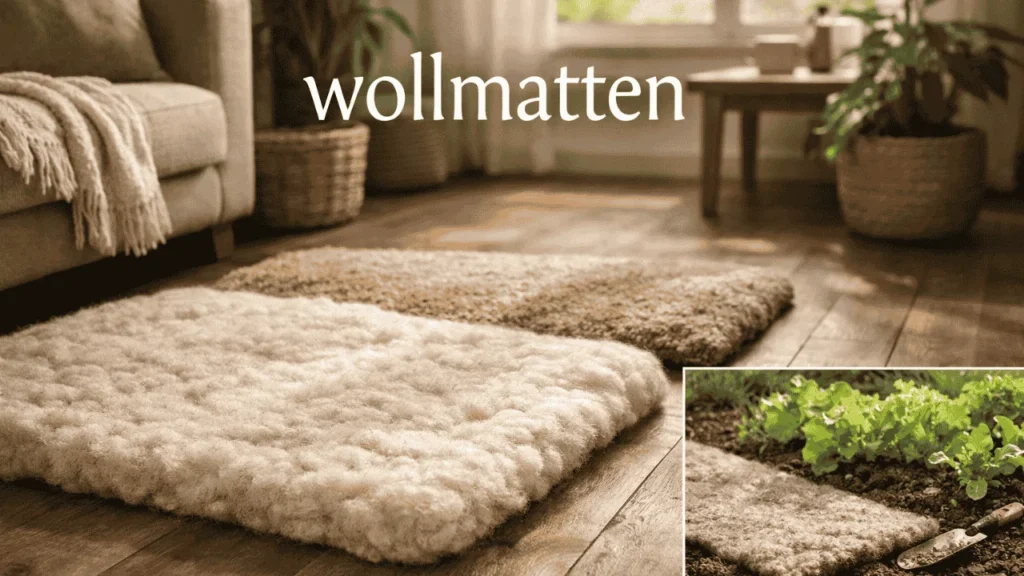

Introduction to Wollmatten
Wollmatten, or wool mats, have been quietly gaining attention in recent years as people shift toward natural, sustainable, and multifunctional home products. While they may sound like a niche item at first, wollmatten actually sit at the intersection of comfort, eco-conscious living, and practical design. Whether used for insulation, exercise, meditation, or even as decorative pieces, these mats bring a surprising level of versatility to everyday life.
At their core, wollmatten are made from processed sheep wool, which is cleaned, compressed, and shaped into dense yet soft mats. Unlike synthetic materials, wool has natural properties that make it breathable, temperature-regulating, and durable. This means a wool mat is not just another household item—it’s something that actively enhances comfort and well-being over time.
What makes wollmatten particularly appealing is how they blend tradition with modern needs. Wool has been used for centuries across different cultures, but today’s versions are refined, often eco-certified, and tailored for specific uses. From yoga studios to minimalist homes, wollmatten are showing up in spaces where both function and aesthetics matte
The Natural Benefits of Wool in Wollmatten
One of the biggest reasons people gravitate toward wollmatten is the inherent benefit of wool as a material. Wool is naturally breathable, meaning it allows air to circulate while still retaining warmth. This makes wollmatten incredibly comfortable to sit or lie on, regardless of the season. In colder months, they retain heat, while in warmer conditions, they help regulate temperature.
Another key advantage is moisture management. Wool can absorb a significant amount of moisture without feeling wet, which makes wollmatten ideal for activities like yoga, meditation, or even as a base layer for sleeping. Unlike synthetic mats that trap sweat and odors, wool naturally wicks moisture away and resists unpleasant smells.
Additionally, wool has natural antimicrobial properties. This is especially important in items that are used frequently or come into contact with skin. Wollmatten tend to stay fresher for longer periods, reducing the need for constant cleaning. This not only saves time but also extends the lifespan of the mat.
Different Types of Wollmatten
Wollmatten are not a one-size-fits-all product. They come in a variety of styles and thicknesses, each designed for specific uses. Some are thin and firm, perfect for yoga or exercise routines where stability is important. Others are thicker and softer, making them ideal for lounging, meditation, or even as a cozy floor covering.
There are also felted wollmatten, which are made through a process that compresses wool fibers into a dense, durable fabric. These mats are particularly popular because they strike a balance between softness and strength. Felted mats are less likely to shed and maintain their shape over time, even with regular use.
For those focused on aesthetics, decorative wollmatten are available in various colors, patterns, and finishes. These can serve as both functional items and design elements in a room. Whether placed under a coffee table or used as a bedside mat, they add warmth and texture to any spac
Wollmatten for Health and Wellness
Wollmatten are increasingly being used in health and wellness routines, and for good reason. The natural cushioning provided by wool makes these mats gentle on joints, which is especially beneficial for activities like yoga, pilates, or stretching. Unlike harder surfaces, wollmatten provide support without causing strain.
Another aspect often overlooked is the grounding effect of natural materials. Many people find that using a wool mat during meditation or relaxation helps them feel more connected and calm. While this may sound subjective, the tactile experience of wool—soft, warm, and organic—plays a significant role in mental comfort.
There’s also the benefit of improved sleep quality when wollmatten are used as mattress toppers or floor sleeping mats. Wool regulates body temperature throughout the night, preventing overheating or excessive cooling. This creates a more stable and comfortable sleeping environment, which can lead to deeper, more restful sle
Sustainability and Environmental Impac
In a world increasingly concerned with environmental impact, wollmatten stand out as a sustainable option. Wool is a renewable resource, as sheep naturally regrow their fleece every year. This makes it far more eco-friendly compared to synthetic materials derived from petroleum.
The production process of wollmatten can also be environmentally responsible, especially when manufacturers use organic wool and avoid harsh chemicals. Many high-quality wollmatten are biodegradable, meaning they won’t contribute to long-term waste when they reach the end of their life cycle.
Another important factor is durability. Wollmatten tend to last significantly longer than synthetic alternatives. Their resilience means fewer replacements, which reduces overall consumption. In the long run, investing in a high-quality wool mat can be both economically and environmentally beneficial
How to Care for Wollmatte
Caring for wollmatten is relatively simple, but it does require a different approach compared to synthetic materials. Wool is naturally resistant to dirt and odors, so frequent cleaning is usually unnecessary. In most cases, regular airing out is enough to keep the mat fresh.
When cleaning is needed, gentle methods work best. Spot cleaning with mild soap and cold water is typically sufficient for small stains. For deeper cleaning, some wollmatten can be hand-washed or professionally cleaned, depending on their thickness and construction.
It’s also important to avoid excessive heat and harsh detergents, as these can damage the wool fibers. Proper care not only preserves the appearance of the mat but also ensures it retains its natural properties for years to come.
Choosing the Right Wollmatten for Your Nee
Selecting the right wollmatten depends largely on how you plan to use it. If you’re looking for a yoga mat, a thinner, denser option will provide better stability. For relaxation or meditation, a thicker and softer mat may be more suitable.
Size is another important consideration. Wollmatten come in various dimensions, from compact personal mats to larger area rugs. It’s worth measuring your space beforehand to ensure a proper fit. A well-sized mat enhances both functionality and visual appeal.
Lastly, consider the quality of the wool and the manufacturing process. High-quality wollmatten are often made from pure wool without synthetic blends. While they may cost more upfront, they offer better performance, longevity, and overall value.
The Growing Popularity of Wollmatte
The rising popularity of wollmatten reflects a broader shift toward mindful living. People are becoming more aware of the materials they bring into their homes and how those materials affect their health and environment. Wollmatten fit perfectly into this mindset.
Social trends such as minimalism and eco-conscious design have also contributed to their appeal. A single wollmatten can serve multiple purposes, reducing the need for additional products. This aligns with the idea of owning fewer, but higher-quality, items.
Moreover, as more individuals seek comfort in their daily routines—whether through wellness practices or home design—wollmatten offer a simple yet effective solution. They combine practicality with a sense of warmth and authenticity that’s hard to replicate with synthetic alternatives
Conclusion
Wollmatten are far more than just wool mats—they are a thoughtful blend of comfort, sustainability, and versatility. From their natural benefits to their wide range of applications, they offer something unique in a market often dominated by synthetic options.
What sets wollmatten apart is their ability to enhance everyday experiences. Whether you’re practicing yoga, meditating, or simply relaxing at home, they provide a level of comfort that feels both natural and intentional. At the same time, their durability and eco-friendly nature make them a responsible choice for long-term use.
As more people prioritize quality, sustainability, and well-being, wollmatten are likely to become an even more common feature in homes around the world. Investing in one is not just about buying a product—it’s about choosing a lifestyle that values comfort, health, and the environment.